Memory and aging
Memory Changes and Aging: What Is Normal, What Is Not and What Helps
Occasionally forgetting a name or misplacing keys is common with age. Signs that need a clinician include repeating questions, getting lost in familiar places, trouble with daily tasks and changes that family notice. A 2025 trial found that structured lifestyle programs improved cognition more than self-guided ones.
Written by the Memopezil label deskUpdated
§ 01What is normal
Is forgetting things a normal part of aging?
Some slowing of recall is common, and it is different from dementia.
The National Institute on Aging describes typical age-related changes as sometimes forgetting a name and recalling it later, making an occasional error when managing accounts, or needing a moment to find a word. Signs of dementia are different in kind: they interfere with daily life and tend to worsen over time. (NIA, Age-related forgetfulness or dementia)
The line is not always obvious, which is why a check is worth having if you or someone close to you is worried. Nothing in this guide diagnoses anyone. It is a map of what to ask.

§ 02Compare
Typical aging changes and warning signs
| Area | Common with age | Worth a clinician's check |
|---|---|---|
| Names and words | Sometimes forget, recall later | Frequent trouble finding common words |
| Money and bills | An occasional missed payment | New trouble managing a budget or paying bills |
| Place and time | Briefly unsure of the day, then recall | Getting lost in a familiar place |
| Repetition | Rarely tell a story twice | Repeating the same question within minutes |
| Daily tasks | Need help with a new device | Trouble with familiar tasks like cooking or driving |
Use the table as a conversation starter and not as a score. One item in the right-hand column does not mean dementia, and several items in the left-hand column do not guarantee health. What matters is change from your own usual self, how long it has lasted and whether it affects daily life.
The pattern is drawn from the National Institute on Aging's comparison. (NIA, Age-related forgetfulness or dementia)
§ 03Other causes
What else can affect memory?
Many memory complaints trace to something treatable.
- Sleep. Poor or broken sleep, including sleep apnea, hurts attention and recall.
- Mood. Depression, anxiety and stress often cause forgetfulness.
- Medicines. Some sleep aids, bladder drugs and allergy medicines can cloud thinking.
- Health conditions. Thyroid problems, low vitamin B12, diabetes and high blood pressure can all play a part.
- Hearing and vision loss. Missing information at the front end looks like poor memory.
- Alcohol. Heavy use affects memory in the short and long term.
A clinician can check these. A supplement cannot, and adding one may hide the signal. (NIA, Age-related forgetfulness or dementia)
§ 04What helps
What does the best evidence say helps memory?
The strongest recent answer comes from lifestyle research, not capsules. The U.S. POINTER trial, published in JAMA in 2025, compared a structured multidomain program with a self-guided one in older adults at risk of cognitive decline. The structured program, which combined exercise, diet, cognitive and social activity and health monitoring, produced greater improvement in global cognition. (US POINTER, JAMA 2025)
- Regular physical activity.
- A varied, plant-heavy diet.
- Mentally and socially engaging activity.
- Checking blood pressure, blood sugar and hearing.
- Good sleep habits.
Nothing on that list is exciting, and nothing on it comes in a bottle, but it has the best data behind it. NCCIH adds that no dietary supplement has been shown to prevent or treat dementia. (NCCIH, 7 Things on Supplements and Alzheimer's) (NCCIH, Supplements and Cognitive Function: What the Science Says)

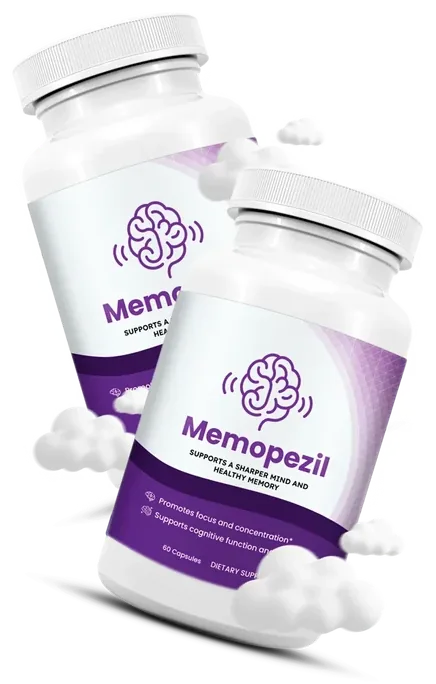
Memopezil: from $49 a bottle60 capsules · 2, 3 or 6 bottles · free US shipping on 3 or 6 · 60-day money-back guarantee
See packs§ 05Daily practice
A realistic weekly plan built on the evidence
The trial results are not a prescription, but they point at habits you can start this week.
The structured arm of the POINTER trial combined several things at once, and that combination is the key point. One habit alone is less likely to matter than several that reinforce each other. A sensible starting plan for an adult who is cleared for exercise might look like this.
- Move. Aim for regular brisk walking or another activity you will keep doing, on most days.
- Eat. Build meals around vegetables, fruit, whole grains, fish, beans and nuts, and cut back on heavily processed food.
- Engage. Learn something new, play games that need planning, or volunteer. Social contact counts as mental exercise.
- Check. Keep up blood pressure, blood sugar and hearing checks.
- Rest. Keep a regular sleep time and treat snoring or breathing pauses.
Before you start a new exercise plan, a clinician can tell you what is safe for your heart and joints. The point is not to do everything at once but to pick two habits and keep them for a month. (US POINTER, JAMA 2025)
§ 06Next step
When to see a clinician about memory
See someone soon if
Memory change is interfering with work, driving, money or medicines, or family are worried.
Go urgently if
Confusion is sudden, comes with a severe headache, weakness or trouble speaking, or is getting worse quickly. Call 911.
Bring a person and a list
Someone who knows you well can describe changes. Bring a list of medicines and supplements.
If you are already considering a supplement, read our research guide first.
§ 07For families
Supporting someone you worry about
Families often notice change first. Useful details to write down before an appointment include when the change began, whether it came on suddenly or slowly, specific examples such as a missed bill or a wrong turn, and any recent illness, fall, medicine change or loss. Dates and examples help a clinician far more than a general sense that something is off.
It also helps to remember that the person may feel frightened or defensive. Keep the tone practical and caring. Offer to drive, to sit in on the visit if they wish, and to keep the medicine list up to date.
Raising the subject kindly matters. Start with a specific, observed example and an offer to go along to an appointment. Avoid buying supplements as a surprise, since an unexpected capsule on a loved one's plate may clash with their medicines. Ask their pharmacist first.
FAQ
Memory and aging: your questions
Is it normal to forget things as you get older?
Some forgetfulness is common, such as occasionally forgetting a name and recalling it later. Signs that interfere with daily life need a clinician's check. (NIA, Age-related forgetfulness or dementia)
What are early signs of dementia?
Repeating questions, getting lost in familiar places, new trouble with bills or familiar tasks, and changes family notice. A clinician can evaluate them. (NIA, Age-related forgetfulness or dementia)
What helps memory as you age?
A 2025 trial found a structured program of exercise, diet, mental and social activity and health checks improved cognition more than a self-guided one. (US POINTER, JAMA 2025)
Do memory supplements prevent dementia?
NCCIH says there is no good evidence that dietary supplements prevent or treat dementia. (NCCIH, 7 Things on Supplements and Alzheimer's) (NCCIH, Supplements and Cognitive Function: What the Science Says)
Can sleep problems cause memory loss?
Poor sleep affects attention and recall, and sleep apnea is worth checking. Treating the cause often helps.
Can medicines affect memory?
Yes. Some sleep, bladder and allergy medicines can cloud thinking. Ask your pharmacist before stopping anything.
When is memory loss an emergency?
Sudden confusion, severe headache, weakness or trouble speaking needs urgent care. Call 911.
Who wrote this
Written and reviewed by
Pages built from the label, the sales page and linked NIH, FDA, FTC and peer-reviewed sources.
Last updated . Read our editorial standards and how we check reviews. This website is run by Memopezilmind, a Memopezil U.S. stocking partner, not by the manufacturer or the distributor. We earn money when you buy through our order links.
Keep reading
More about Memopezil


Memopezil U.S. stocking partner
Ready to try Memopezil?
Check your medicines first, then pick a pack. Three or six bottles ship free in the US and cost less per bottle, and every pack carries the 60-day money-back guarantee.
- Secure checkout on the order page
- 60-day money-back guarantee
- Free US shipping on 3 or 6 bottles